
Many LED lighting factories need more than one machine. They need a complete line that supports stable output, product changes, and future growth. Therefore, buyers often plan an LED SMT production line before choosing specific machines.
A practical line plan should cover the project background, equipment setup, installation, training, and trial production. This article explains each stage based on common LED manufacturing needs.
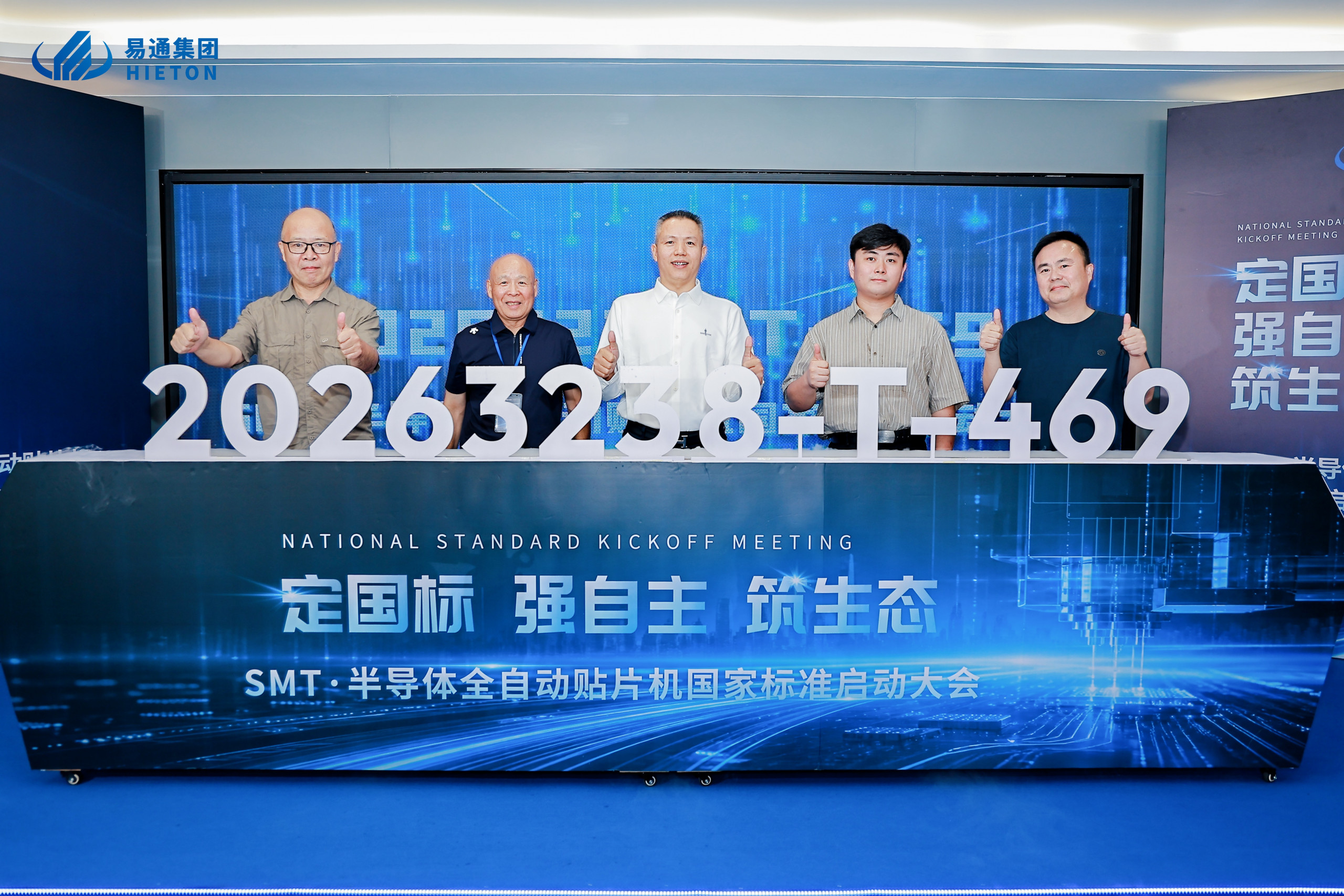
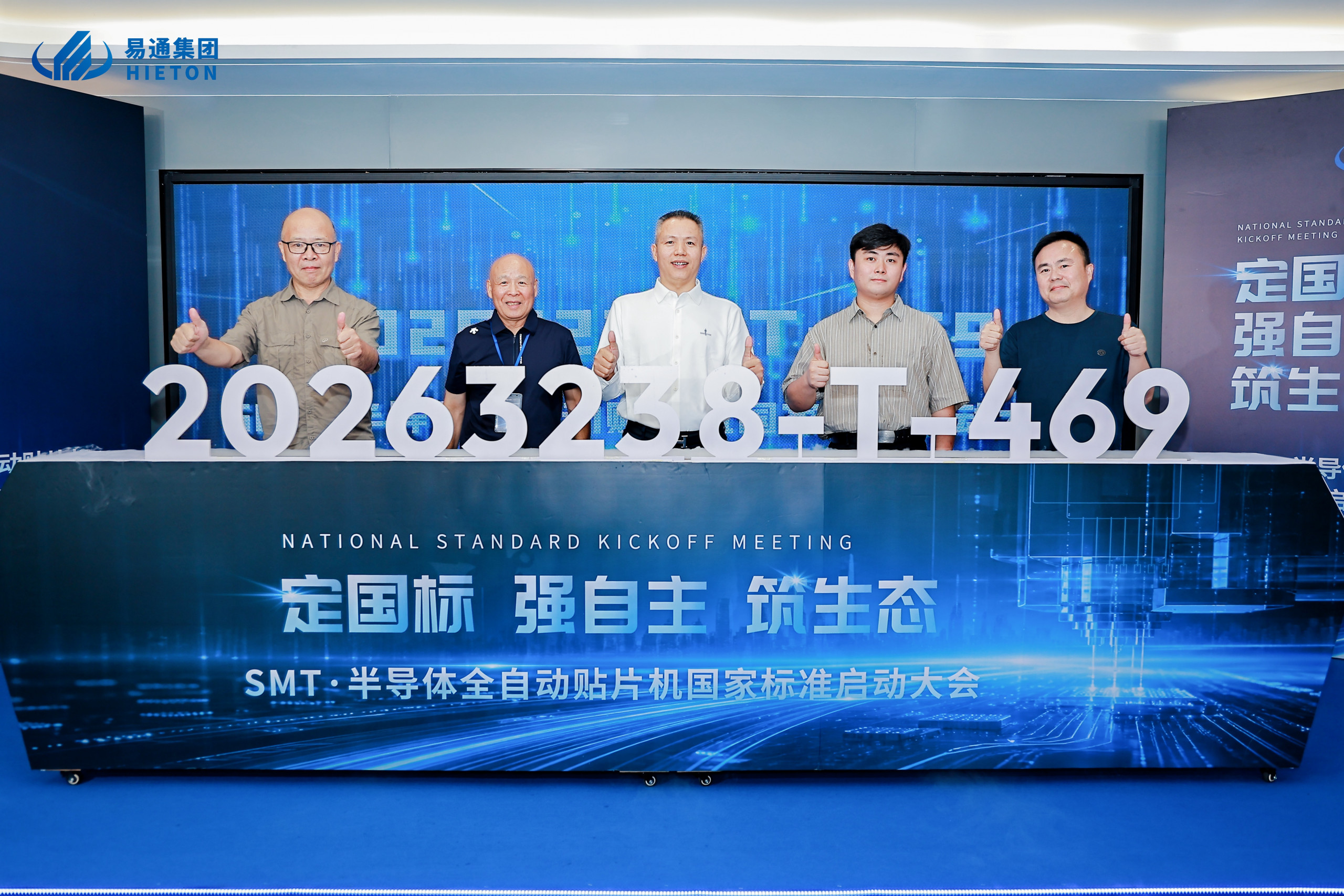
ETON participates in SMT industry standard and production planning discussions.
How an LED SMT Production Line Starts with Product Data
First, buyers should prepare clear product data. This includes the PCB size, panel size, LED type, lens requirements, BOM, and smallest component. Buyers should also provide the required daily output.
These details help engineers select the right equipment. For example, they affect the printer size, feeder quantity, conveyor width, and reflow oven length. They also help determine the required mounting speed and inspection method.
However, not every LED factory needs the same setup. LED bulbs, panel lights, strip lights, downlights, and display modules have different production needs. Some factories need high speed for standard boards. Others need flexible equipment for frequent product changes.
Therefore, buyers should also share their future product plans. A line designed for only one PCB may limit future growth.
Core Equipment for LED SMT Production Line Stability
A typical LED SMT production line includes a solder paste printer, PCB handling equipment, a pick-and-place machine, a reflow oven, and inspection equipment.
The mounting machine is at the center of the process. However, buyers should not evaluate it alone. The ETON LED SMT machine should be considered together with the complete production process.
For example, the printer must apply solder paste evenly. Next, the mounter must place LED components accurately. Then, the reflow oven must provide a stable temperature profile. Finally, inspection equipment must find missing, shifted, or incorrect components.
A balanced line can reduce waiting time between machines. In addition, it can improve output and make quality problems easier to trace.
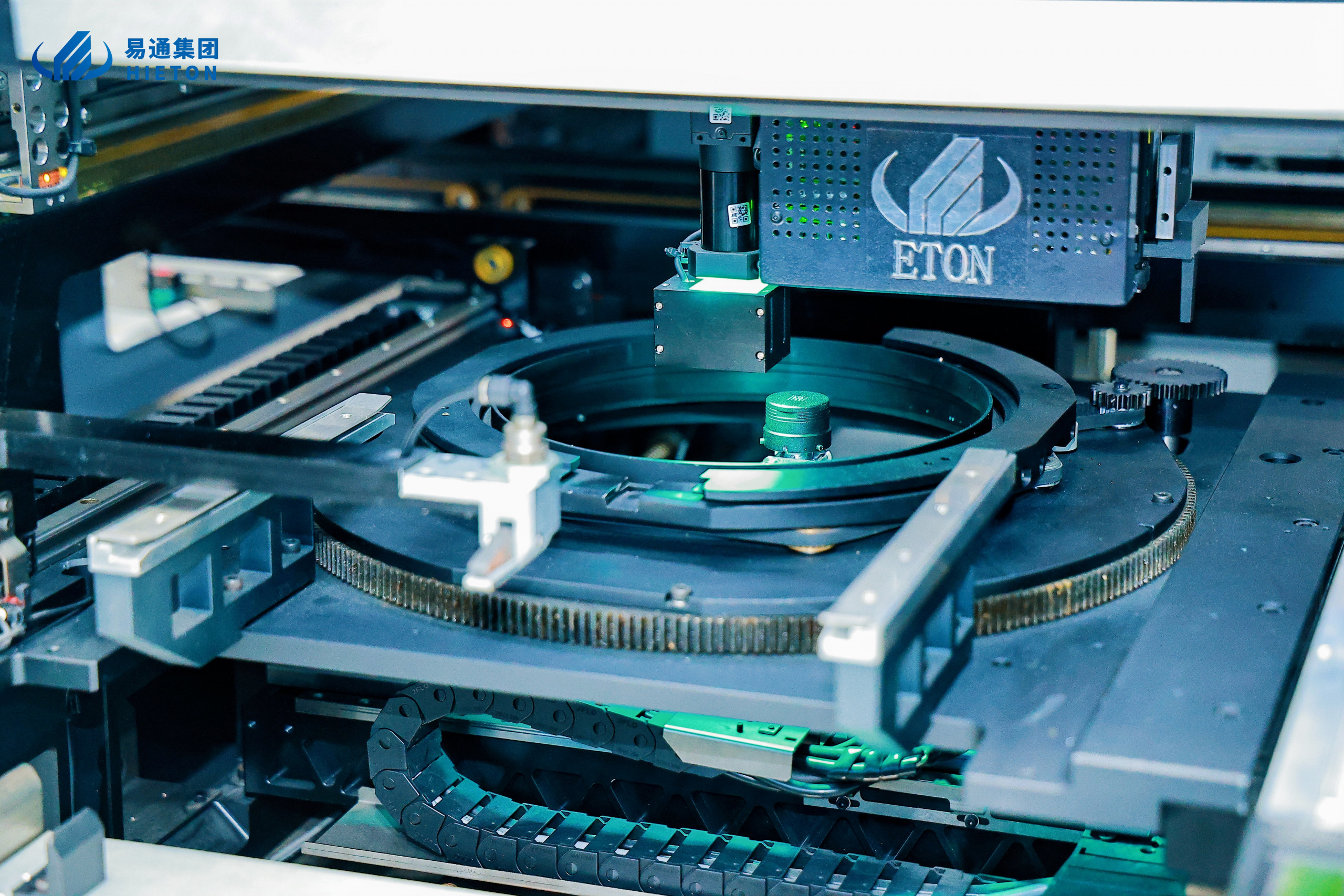
ETON SMT equipment supports accurate and stable LED component placement.
Installation, Training, and Trial Production
An LED production line project does not end when the machines arrive. First, engineers must install and connect the equipment. Next, they test PCB transfer, printer alignment, feeder setup, and nozzle selection.
After that, engineers adjust the reflow temperature profile and inspection settings. Trial production can then begin with the buyer’s actual LED boards.
Operator training is also important. It should cover daily operation, feeder maintenance, product changeover, common alarms, and quality checks. As a result, the factory can move into independent production more quickly.
What Buyers Should Send Before Requesting a Quote
To prepare an accurate proposal, buyers should provide the following information:
- PCB and panel dimensions
- BOM and LED package types
- Required output per hour or per day
- Factory layout and available production space
- Power supply and air pressure conditions
- Current defects or quality concerns
- Future products planned for the same line
With this information, ETON can check the required speed, feeder capacity, conveyor width, and inspection points. In addition, the engineering team can recommend a suitable line layout.
Plan Your LED SMT Production Line with ETON
A stable line starts with accurate product data and balanced equipment. It also requires careful installation, practical training, and real-board testing.
For factory news and production updates, follow ETON on LinkedIn.
Send ETON your LED board files, BOM, factory layout, and output target. Our team will recommend a suitable LED SMT production line, equipment configuration, and quality control plan for your project.