
Material Loss in SMT Assembly: Control Guide
Material loss can raise the cost of every PCB assembly order. Damaged parts, placement errors, and late defect discovery all create waste. However, a stable process can reduce these losses.
This guide explains how to control material loss in SMT assembly with practical steps.
1. How to Control Material Loss in SMT Assembly
Start with material storage. Keep moisture-sensitive components in a controlled environment. This helps prevent damage before production begins.
Next, use first-in, first-out inventory control. FIFO ensures that older reels are used first. As a result, fewer components become expired or obsolete.
Before loading a feeder, check the part number, package size, and reel label. This simple step prevents costly material mix-ups.
2. Improve Placement Accuracy
Accurate placement reduces rework and component scrap. Therefore, calibrate placement equipment on a regular schedule.
A well-configured SMT pick and place machine helps maintain stable speed and accuracy in high-volume production.
Also inspect nozzles, feeders, and vision settings. Replace worn parts before they create repeated pickup or placement errors.
3. Monitor the Production Process
Real-time production data helps teams find waste early. Track feeder alarms, placement defects, solder paste use, and rework rates.
For example, a feeder with repeated pickup errors needs immediate attention. The team can then check the reel, nozzle, feeder, or program data.
In addition, an ETON turnkey SMT production line gives operators faster feedback. This makes it easier to stop a small issue before it affects a full batch.
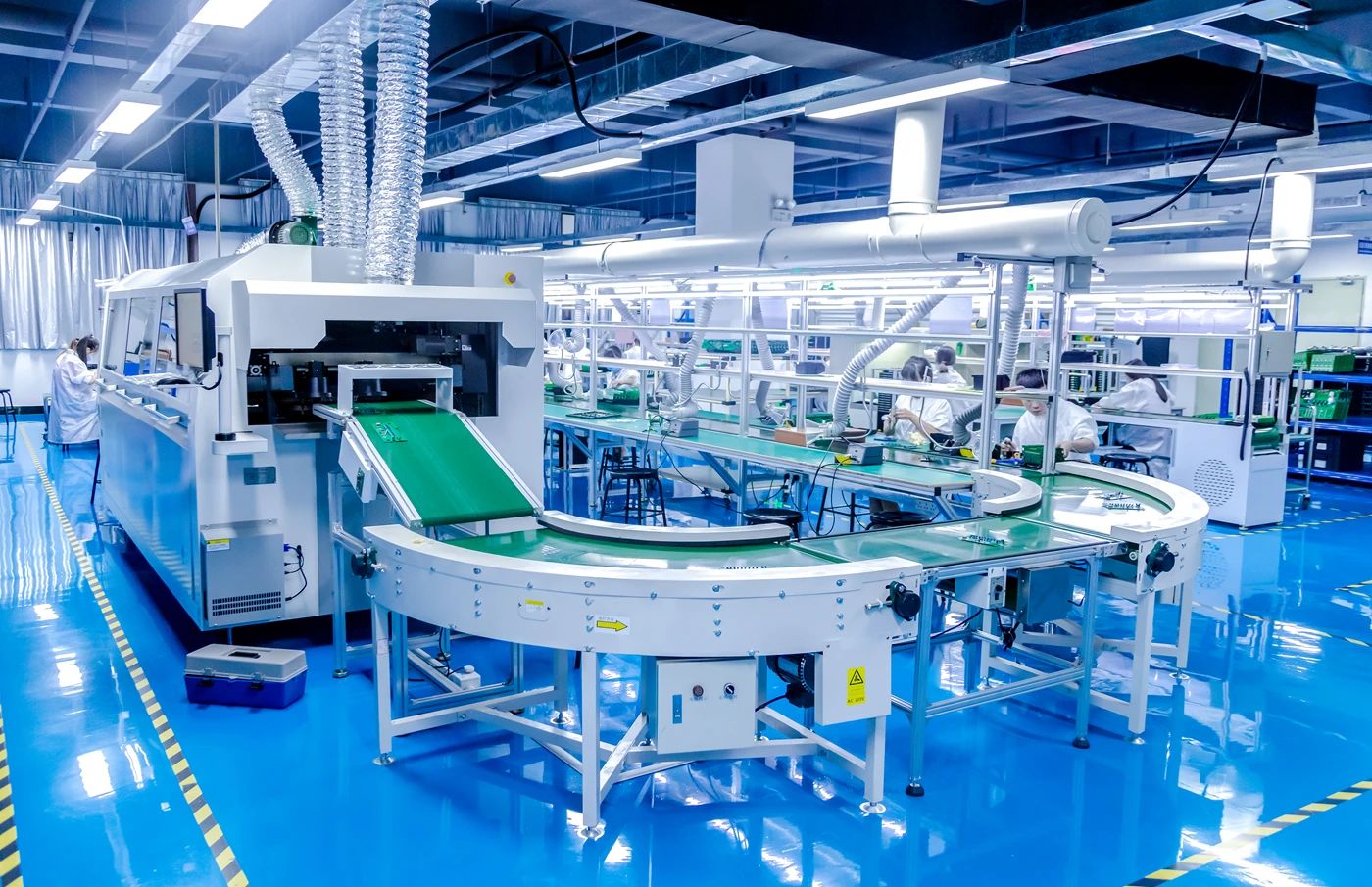
SMT production line designed to reduce material loss and enhance efficiency
4. Inspect Boards Early
Early inspection saves both materials and labor. AOI can detect missing parts, polarity errors, offset components, and solder bridges before the board moves to the next stage.
SPI, AOI, and X-ray inspection can work together for more complex boards. Choose the method that matches the product and solder-joint requirements.
5. Control Solder Paste Use
Solder paste waste often begins at the printer. First, check the stencil condition. Then set the correct squeegee pressure and printing speed.
Store solder paste correctly and follow the recommended thawing process. Regular stencil cleaning also helps maintain print quality.
These actions reduce bridges, insufficient solder, and unnecessary rework.
6. Train Operators and Use Data
Operators should know how to load feeders, verify materials, respond to alarms, and report abnormal conditions. Clear work instructions make daily tasks more consistent.
Meanwhile, collect data on scrap, rework, downtime, and component consumption. Review this data every week. Then use it to find repeated causes of material loss.
7. Maintain Equipment Proactively
Preventive maintenance protects both output and materials. Check placement machines, printers, conveyors, and inspection equipment before faults occur.
For instance, an automatic SMT PCB loader supports steady board handling and reduces avoidable line interruptions.
Keep critical spare parts in stock. Consequently, the team can restore production faster when a problem occurs.
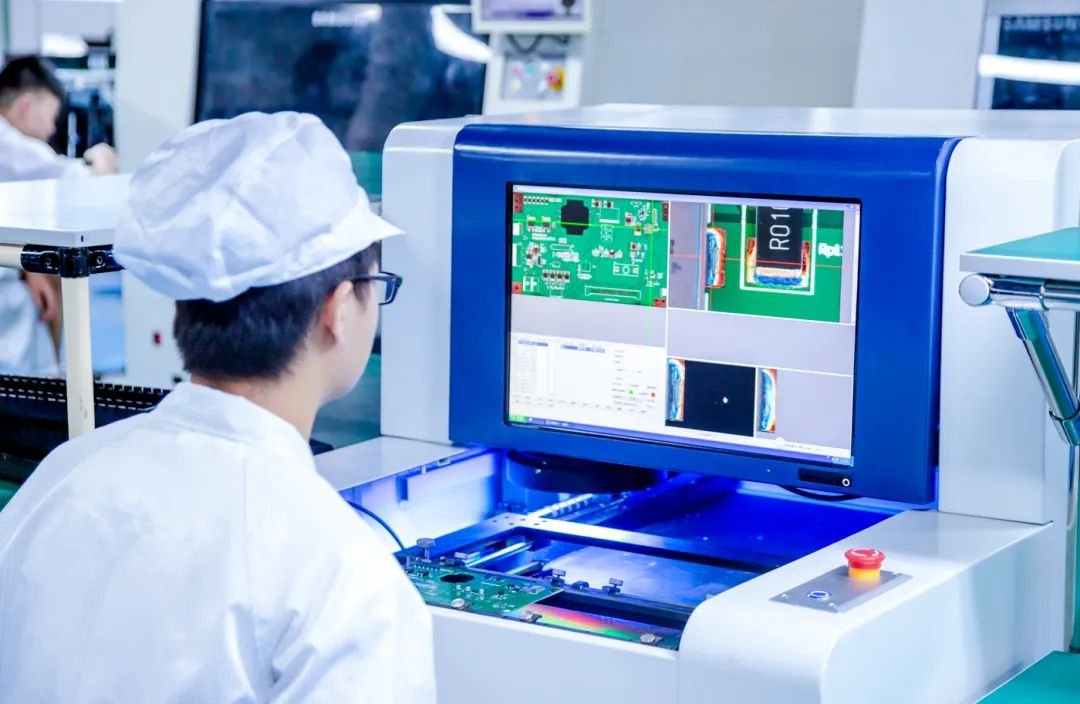
Material loss control in SMT assembly with automated PCB production line
8. Preventive Maintenance
Regular Maintenance:Schedule regular maintenance for all equipment to prevent breakdowns and ensure consistent performance.
Spare Parts Management:Keep an inventory of critical spare parts to reduce downtime during repairs.
Conclusion
To control material loss in SMT assembly, manufacturers should manage materials, machines, inspection, and operator skills as one system. Accurate placement, early defect detection, and regular maintenance reduce scrap and rework.
A well-planned SMT production line solution can improve placement accuracy and lower total production costs. For further equipment information, visit the ETON Automation official website.